Apple patches high-severity eavesdropping vulnerability in Beats Studio Buds
Apple issues a critical security fix for Beats Studio Buds, addressing a bluetooth pairing vulnerability that allowed potential eavesdropping.
This article is original editorial commentary written with AI assistance, based on publicly available reporting by Ars Technica. It is reviewed for accuracy and clarity before publication. See the original source linked below.
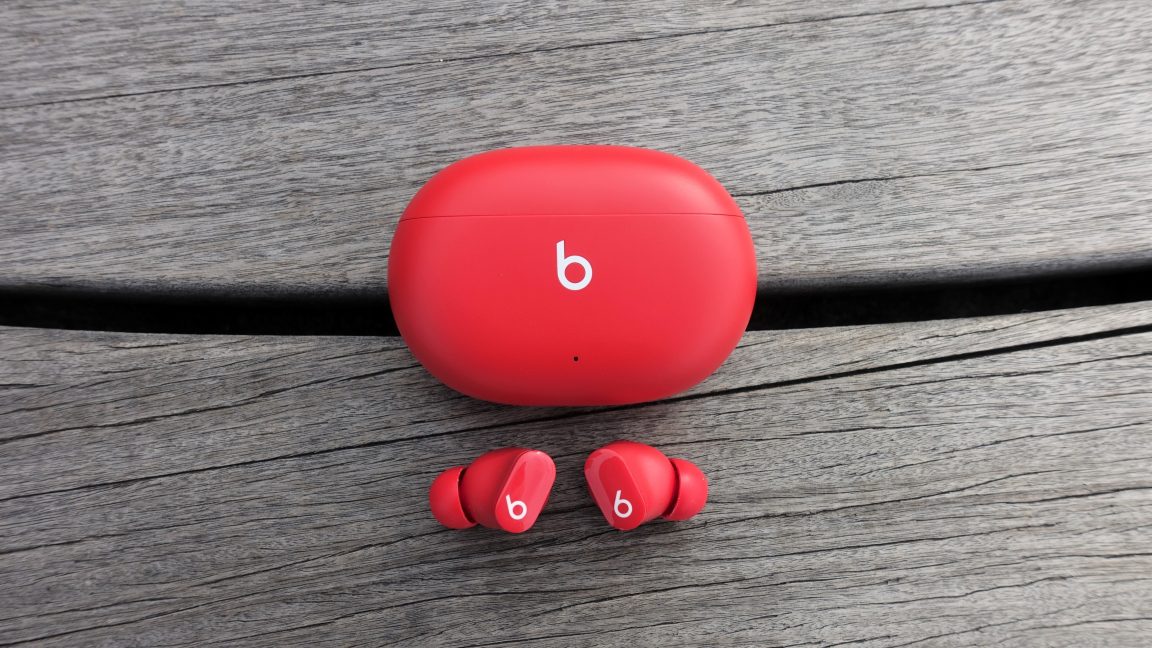
Apple recently released a critical firmware update for the Beats Studio Buds, addressing a high-severity vulnerability that could have allowed unauthorized parties to gain access to the wireless earbuds. The flaw, which was originally disclosed to several hardware manufacturers nearly a year ago, centers on the pairing protocols used by Bluetooth Low Energy (BLE) devices. While the fix marks a necessary step in securing Apple’s vast ecosystem of wearable peripherals, the delay between initial disclosure and the public rollout highlights persistent challenges in the lifecycle of hardware security.
To understand the gravity of this patch, one must look at the evolving role of headphones in the modern digital identity. Once simple passive speakers, devices like the Beats Studio Buds are now sophisticated computers equipped with microphones, location-tracking capabilities, and deep integration into mobile operating systems. They serve as conduits for private conversations and biometric data. The vulnerability in question exploited the "BLE Bonding" mechanism, a process where devices establish a trusted relationship. By spoofing the identity of a previously paired device, an attacker within physical proximity could potentially intercept audio streams or force a connection without user intervention.
The technical mechanics of this exploit rely on a failure in how the earbuds authenticated handshake requests. In a standard secure environment, the "Out of Band" or "Numeric Comparison" methods ensure that only the intended user can bridge the two devices. However, this specific flaw bypassed these safeguards, allowing an attacker to inject their own keys into the pairing process. By fixing the way the Beats firmware validates pairing requests, Apple has effectively closed the door on "man-in-the-middle" attacks that previously could have turned a consumer’s own accessories into a localized surveillance tool.
This vulnerability was not unique to Apple; it was part of a broader industry-wide discovery affecting multiple chipsets and manufacturers who utilize similar BLE stacks. The twelve-month window between the discovery of the flaw and Apple’s patch reflects the complex, often fragmented nature of firmware distribution. Unlike a mobile operating system that can be updated with a single tap, peripheral updates happen silently in the background, often requiring specific conditions like being connected to power or in range of a host device. This lag time creates a "vulnerability gap" where users remain exposed to known threats long after the industry at large is aware of them.
The implications for the broader tech industry are significant. As the Internet of Things (IoT) expands, the surface area for cyberattacks moves beyond the smartphone and into the "body-area network"—the collection of wearables we carry daily. This incident underscores the necessity for more transparent and rapid update mechanisms for accessories. Regulators and security researchers are increasingly pointing to these secondary devices as the "weakest link" in personal cybersecurity. For Apple, which markets its products on a foundation of privacy and security, any blemish on its peripheral hardware requires a swift, even if delayed, corporate response to maintain consumer trust.
Looking forward, the tech community should monitor how Apple and its competitors automate the security of the peripheral ecosystem. We are likely to see a push for more standardized, robust authentication protocols that do not rely on the user’s manual intervention to be secure. Furthermore, the industry may move toward stricter disclosure timelines for hardware vulnerabilities, mirroring the 90-day windows common in software circles. As our devices become more interconnected, the distinction between "accessory" and "computer" will continue to blur, making the security of a pair of earbuds just as vital as the security of the phone they are paired with.
Why it matters
- 01The vulnerability allowed attackers to spoof trusted devices and potentially eavesdrop on audio by bypassing Bluetooth Low Energy pairing safeguards.
- 02A one-year gap between initial disclosure and the final patch highlights the logistical difficulties of securing hardware peripherals compared to software.
- 03This incident signals an industry-wide need for more robust, automated security protocols within the body-area network of wearable technology.