How a USB-connected speaker can infect a PC without ever being touched
Security researchers uncover a bypass in Creative's soundbar firmware that allows local USB devices to gain full PC access without user interaction.
This article is original editorial commentary written with AI assistance, based on publicly available reporting by Ars Technica. It is reviewed for accuracy and clarity before publication. See the original source linked below.
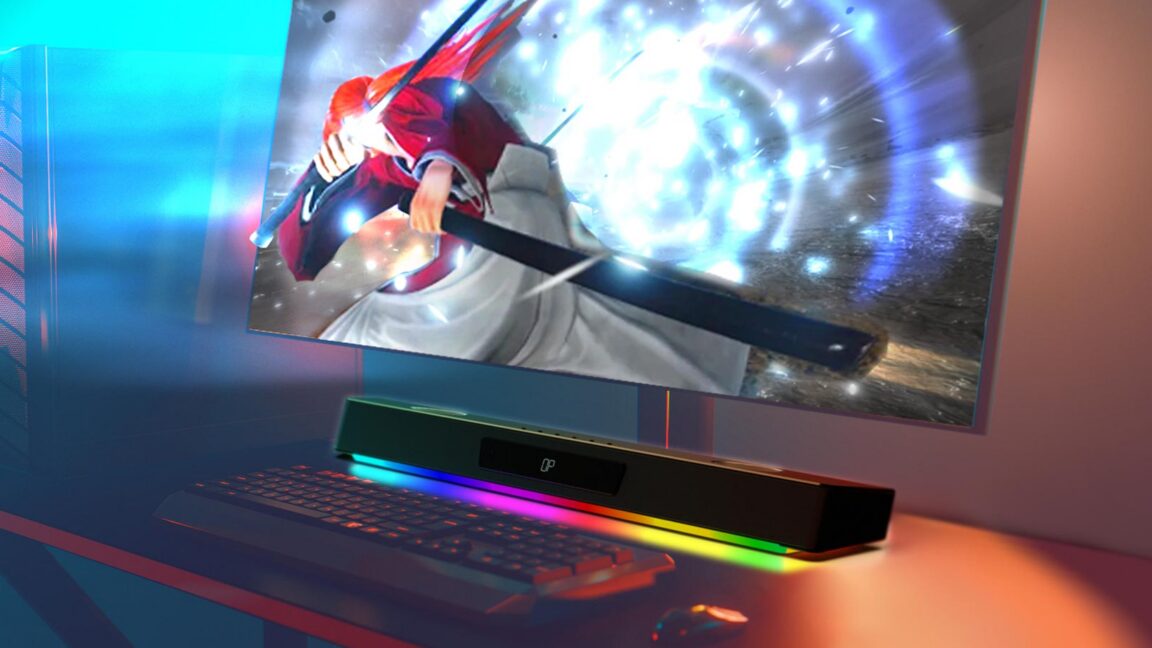
Security researchers have recently exposed a startling security flaw involving the Sound Blaster Katana V2X speaker system, demonstrating how a simple USB connection can serve as an unbridled gateway for infecting a PC. The core of the issue lies in the device’s firmware update mechanism, which allows a malicious USB drive to impersonate a legitimate update or interact with the soundbar’s internal operating system. Remarkably, this exploit does not require the user to click a link, run an installer, or even interact with the computer’s screen; simply plugging into the hardware creates a bridge to the host system’s core processes.
This discovery sits at the intersection of consumer electronics and cybersecurity, a space where "Internet of Things" (IoT) devices often sacrifice security for user convenience. Historically, USB-based attacks like "BadUSB" required the device to emulate a keyboard to inject commands. However, this new research highlights an evolution: exploiting the trust relationship between specialized hardware drivers and the Windows operating system. Creative Technology, the manufacturer behind the Sound Blaster brand, has traditionally focused on high-fidelity audio engineering, yet the integration of sophisticated microprocessors in modern soundbars has inadvertently turned these peripherals into fully functional, albeit hidden, computers.
The mechanics of the vulnerability hinge on the way the soundbar handles its "Direct Mode" and firmware restoration processes. By leveraging a hidden debugging port or a specialized USB handshake, an attacker can gain access to the soundbar’s internal shell. From there, the device can send malicious payloads to the connected PC through the very drivers meant to manage audio playback. Because these drivers often operate with high-level system privileges to ensure low-latency audio performance, the "infection" can bypass standard antivirus software that typically scans for suspicious user-level activity rather than hardware-level driver manipulations.
While the technical feat is impressive, the industry implications are deeply troubling, particularly regarding the response—or lack thereof—from hardware vendors. Creative Technology has reportedly stated that they do not consider this behavior a vulnerability, arguing instead that it requires physical access to the device. This stance highlights a growing rift between security researchers and hardware manufacturers. In an era where "evil maid" attacks (physical tampering by a third party) and supply chain compromises are on the rise, dismissing physical-access exploits as non-issues ignores the reality of modern corporate and home security environments.
From a market perspective, this incident underscores a "blind spot" in the peripheral industry. While smartphone and laptop manufacturers have spent a decade hardening their ecosystems with secure enclaves and encrypted bootloaders, high-end home theater and gaming peripherals remain relatively porous. As these devices become more "smart"—incorporating Bluetooth, Wi-Fi, and complex firmware—they become attractive targets for persistent threats. If a speaker can be compromised, it could theoretically serve as a permanent listening post or a bridgehead for lateral movement across a home or office network, long after the initial physical breach has occurred.
Moving forward, the industry must watch for a shift in how driver signatures and peripheral communications are audited by operating system vendors like Microsoft. If hardware manufacturers refuse to patch firmware-level "features" that double as backdoors, the burden may shift to the OS to implement stricter "zero-trust" protocols for USB devices. We should also anticipate more rigorous scrutiny of the universal plug-and-play standards that have defined the last twenty years of computing. As the Sound Blaster Katana V2X case proves, the very convenience of a "plug and play" world is increasingly becoming a primary vector for silent, unassisted infiltration.
Why it matters
- 01The exploitation of the Sound Blaster Katana V2X demonstrates that peripheral firmware can be leveraged to bypass traditional PC security without any digital user interaction.
- 02Creative Technology’s refusal to classify the exploit as a vulnerability highlights a dangerous industry trend of dismissing physical-access security risks in consumer hardware.
- 03The incident signals a need for a 'zero-trust' approach to USB peripherals, as modern audio devices now possess enough computational power to act as autonomous attack platforms.