Ransomware Attack Puts a Chill On Japanese Frozen-Food Chain
A ransomware attack on Japanese frozen food firm Nichirei Logistics highlights the growing vulnerability of essential global food supply chains to cyber threats
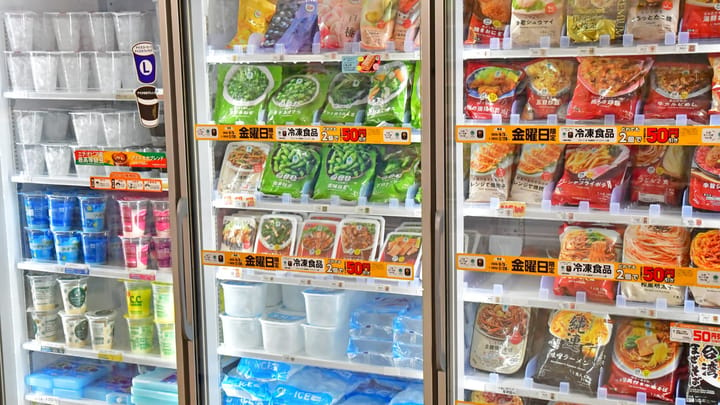
This article is original editorial commentary written with AI assistance, based on publicly available reporting by Dark Reading. It is reviewed for accuracy and clarity before publication. See the original source linked below.
The recent ransomware attack on Nichirei Logistics, a cornerstone of Japan’s cold-chain infrastructure, marks a sobering escalation in the targeting of essential physical services. By crippling the digital inventory and distribution systems of one of the nation’s largest frozen-food providers, the attackers managed to decouple the digital world from the physical, leaving thousands of clients—including high-profile international franchises like Kentucky Fried Chicken—facing empty freezers and broken logistics schedules. This incident underscores a shift in cybercriminal strategy away from simple data exfiltration toward the disruption of high-availability industrial systems where downtime translates directly into societal pain.
This attack does not exist in a vacuum. Japan’s critical infrastructure has increasingly found itself in the crosshairs of sophisticated threat actors, ranging from state-sponsored entities to financially motivated ransomware gangs. Historically, the Japanese manufacturing and logistics sectors were perceived as resilient due to their rigorous physical standards; however, the rapid digitization of “just-in-time” delivery models has introduced significant software-based risk. This event follows a pattern of high-stakes disruptions in the region, echoing previous incidents that have targeted everything from automotive assembly lines to maritime port operations, reminding the global market that the more efficient a supply chain becomes, the more brittle it is to digital interference.
At the technical level, the mechanization of this crisis centers on the integration of legacy industrial control systems (ICS) with modern internet-facing enterprise resource planning (ERP) suites. Ransomware today rarely stops at the office desktop; it traverses lateral pathways to lock down the databases that manage temperature controls, delivery routing, and warehouse automation. When a logistics firm’s digital ledger is encrypted, the physical assets—trucks, refrigerated warehouses, and the food itself—remain intact but become functionally invisible to the operators. The inability to track expiration dates or shipment locations effectively grounds the entire operation, proving that in modern logistics, data is as vital as fuel.
The implications for the broader food and beverage industry are profound and unsettling. For decades, the primary concern for food safety was biological or chemical contamination. Now, the industry must reckon with "digital spoilage." If a ransomware attack disables the monitoring systems of a sub-zero storage facility even for a few hours, the integrity of the cold chain is compromised, potentially leading to massive inventory losses and liability concerns. From a market perspective, this forces a shift in how companies vet their partners. Reliability is no longer just about truck maintenance and fuel costs; it is about the maturity of a partner’s cybersecurity stack and their ability to maintain "manual override" capabilities in a total blackout.
Regulators and insurance providers are likely to view this incident as a catalyst for stricter compliance requirements within the logistics sector. As cyber insurance premiums continue to climb, providers are increasingly demanding proof of segmenting operational technology (OT) from standard IT networks. This attack serves as a case study for the "cascading failure" model, where a single point of failure in a middle-tier logistics provider disrupts the retail and consumer-facing segments of the economy. It highlights a critical gap in current national defense strategies: the protection of the "soft" infrastructure that keeps a nation fed and functioning.
Moving forward, the industry must watch for a transition toward more resilient, decentralized logistics architectures. Organizations will likely invest heavily in immutable backups and offline contingency plans that prioritize the restoration of core delivery functions over general office productivity. The coming months will also reveal whether Japanese authorities will push for new mandatory reporting standards for private-sector food providers. As we move into an era of heightened geopolitical tension and professionalized cybercrime, the "frozen" state of Japan’s food supply is a stark warning that the most effective way to hold a nation hostage is no longer to block its ports, but to encrypt its inventory.
Why it matters
- 01The attack on Nichirei Logistics demonstrates that modern cold-chain reliability is now entirely dependent on digital visibility, turning data outages into physical food shortages.
- 02This incident highlights a growing trend of cybercriminals targeting 'just-in-time' delivery systems where even minor downtime causes immediate and widespread economic disruption.
- 03Future supply chain resilience will require a fundamental decoupling of critical industrial control systems from internet-facing corporate networks to prevent lateral ransomware movement.