Sheetz is quitting VMware, migrating 11,000 virtual machines
Sheetz migrates 11,000 VMs from VMware to StorMagic, signaling a broader enterprise shift away from Broadcom's restrictive new licensing models.
This article is original editorial commentary written with AI assistance, based on publicly available reporting by Ars Technica. It is reviewed for accuracy and clarity before publication. See the original source linked below.
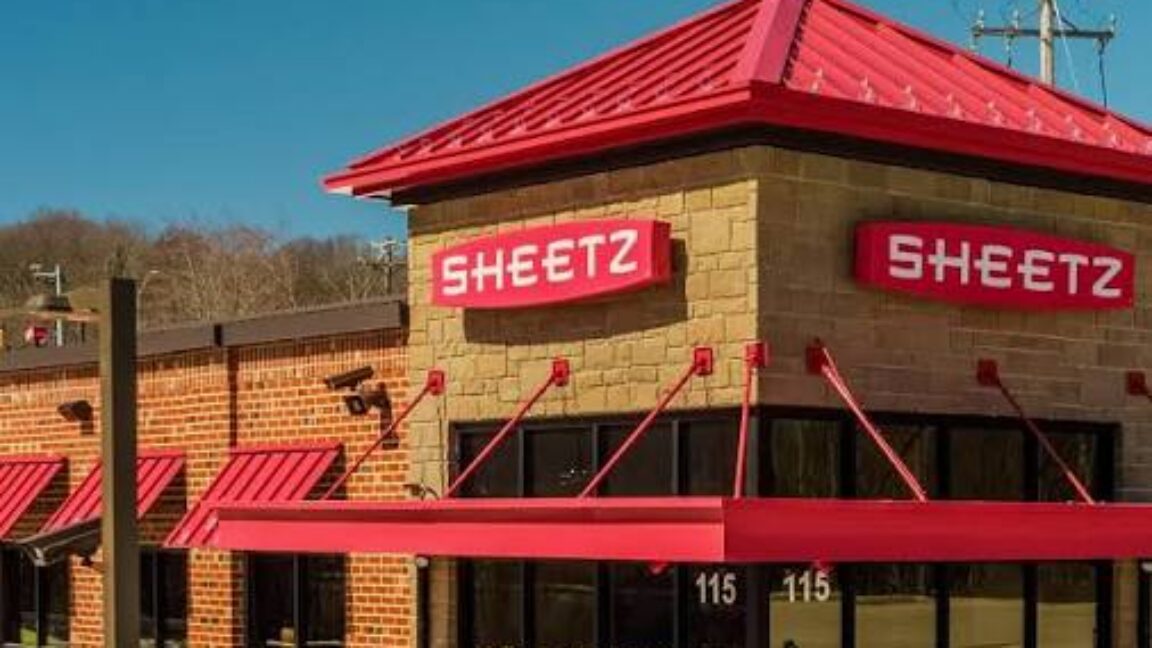
The enterprise software landscape reached a symbolic inflection point this week as Sheetz, the major American convenience store and coffee chain, announced its decision to abandon VMware. The retailer is in the process of migrating 11,000 virtual machines (VMs) across hundreds of its locations to StorMagic, a specialized provider of software-defined storage. While technology stacks are frequently updated, the sheer scale of this migration—and its status as a high-profile departure from a legacy market leader—underscores a growing restlessness within the IT infrastructure sector. For Sheetz, a company that manages complex logistics, fuel systems, and point-of-sale operations 24/7, the move represents a calculated bet that the risks of staying with their long-term partner now outweigh the friction of a total overhaul.
The catalyst for this shift is inextricably linked to the $61 billion acquisition of VMware by Broadcom, which closed in late 2023. Since the takeover, Broadcom has methodically dismantled VMware’s traditional business model, ending perpetual licenses in favor of mandatory subscriptions and streamlining its product portfolio into bundles that many customers find prohibitively expensive or redundant. This "Broadcom effect" has left mid-market and even large-scale enterprises feeling squeezed, forced to choose between skyrocketing renewal costs or the daunting task of replatforming. For decades, VMware was the "safe" infrastructure choice—the gold standard of virtualization that powered the modern data center. Today, that standard is being reevaluated as corporate IT budgets face the reality of aggressive price hikes.
From a technical standpoint, Sheetz’s move to StorMagic highlights a strategic preference for "edge" computing efficiency over centralized, heavyweight virtualization suites. StorMagic’s SvSAN is designed specifically for high-availability environments with minimal hardware footprints, making it an ideal fit for the distributed nature of convenience stores. By pivoting to a lightweight, software-defined storage solution, Sheetz is decoupling its hardware from its software, effectively reducing the complexity of managing thousands of localized servers. The migration involves moving critical containerized applications and traditional virtual workloads onto a platform that prioritizes local resilience at the store level rather than bloated, cloud-adjacent management tools that have become central to VMware’s new identity.
The implications for the broader tech industry are profound. For years, the "VMware tax" was a cost many businesses were willing to pay for stability. However, the Sheetz migration suggests that the market is finally reaching a breaking point. Competitors like StorMagic, Nutanix, and open-source alternatives like Proxmox are no longer being viewed as niche experiments; they are being vetted as viable enterprise-grade replacements. Broadcom’s strategy appears focused on retaining the "Global 2000"—the largest, most entrenched customers—while accepting the loss of companies that fall outside that top tier. Yet, when a household brand like Sheetz exits the ecosystem, it provides a blueprint for others to follow, potentially triggering a mass exodus that could erode VMware’s dominance more rapidly than analysts predicted.
Regulatory and market pressures are also shifting in response to these consolidation trends. As Broadcom faces scrutiny from trade groups and international regulators over its licensing practices, the success of the Sheetz migration will serve as a bellwether for the feasibility of "de-VMware-ing" an organization. The challenges inherent in such a move are non-trivial: shifting 11,000 VMs requires rigorous testing, data integrity checks, and retraining for IT staff. If Sheetz completes this transition without significant service disruptions, it will debunk the long-held belief that VMware's hypervisor is too deeply integrated to be removed. It signals to CIOs that the cost of change, while high, may be lower than the long-term cost of vendor lock-in under Broadcom’s regime.
Looking ahead, the industry will be watching for the results of this transition during the next peak holiday and travel periods, which provide the ultimate stress test for Sheetz’s retail systems. The move also raises questions about whether other major retailers and distributed enterprises will follow suit. As contract renewals come due in late 2024 and 2025, we should expect a surge in "hypervisor-agnostic" strategies. The era of the monolithic virtualization provider is fading, replaced by a more fragmented landscape where companies prioritize cost-predictability and architectural flexibility. Sheetz isn't just changing its software; it is participating in a broader remapping of the enterprise data center that favors agility over legacy brand loyalty.
Why it matters
- 01Sheetz's departure from VMware highlights a growing trend of enterprise customers seeking alternatives to Broadcom’s new, high-cost subscription models.
- 02The migration of 11,000 virtual machines to StorMagic proves that mid-to-large scale enterprises are now willing to endure the friction of replatforming to avoid long-term vendor lock-in.
- 03This shift underscores a broader industry move toward lightweight, edge-optimized infrastructure solutions that challenge the dominance of traditional data center giants.