US rare earths flow to Asia as domestic demand is slow to emerge
US rare earth miners are exporting to Japan and South Korea, highlighting the struggle to build a domestic magnet supply chain despite federal support.
This article is original editorial commentary written with AI assistance, based on publicly available reporting by Ars Technica. It is reviewed for accuracy and clarity before publication. See the original source linked below.
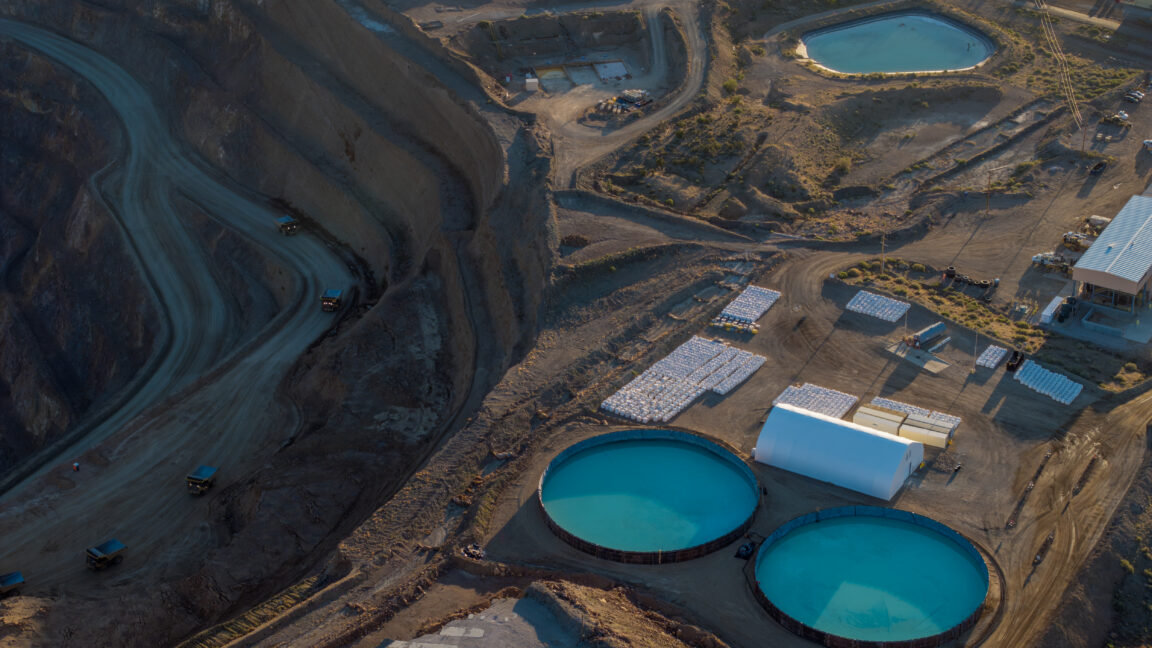
A decade-long push to decouple the United States’ critical minerals supply chain from Chinese dominance has hit a paradoxical snag: domestic miners are finding plenty of ore but nowhere to process it at home. Despite significant financial backing and political momentum initiated during the Trump administration and sustained under President Biden, the U.S. rare earths industry is currently bypassing domestic factories. Instead of feeding a burgeoning American manufacturing sector, these critical materials—essential for everything from electric vehicle (EV) motors to precision-guided missiles—are flowing toward established industrial hubs in Japan and South Korea. This shift underscores a widening gap between the geopolitical ambition of "reshoring" and the economic reality of a missing middle-market infrastructure.
The context for this struggle dates back to 2010, when a diplomatic spat between China and Japan led to a temporary embargo on rare earth exports, waking Western nations up to their vulnerability. China currently controls over 80% of global rare earth processing and magnet production. Companies like MP Materials, which operates the Mountain Pass mine in California, were revitalized with federal support to break this monopoly. However, while the U.S. has proven it can extract the raw rocks, it has struggled to replicate the high-pollution, high-complexity chemical refining and magnet-making facilities that China spent four decades perfecting. Without these downstream facilities, U.S. miners are forced to treat their domestic output as a commodity for foreign buyers rather than a strategic asset for domestic sovereignty.
The mechanics of this failure are rooted in the "midstream" bottleneck. Rare earths are not particularly rare, but they are difficult to separate into the 17 individual elements required for high-tech applications. Refining requires massive amounts of acid and generates toxic wastewater, creating regulatory and environmental hurdles that make domestic operations significantly more expensive than their Asian counterparts. Furthermore, the final stage—converting these oxides into sintered neodymium-iron-boron (NdFeB) magnets—is a specialized manufacturing process where the U.S. currently lacks scale. Consequently, miners are selling to the highest bidders in Japan and South Korea, where the industrial infrastructure to utilize these materials already exists and is hungry for alternatives to Chinese supply.
The implications for the American economy and national security are profound. By exporting raw or semi-processed ore, the U.S. is essentially subsidizing the industrial resilience of its allies while remaining dependent on a globalized supply chain it sought to exit. This "extraction-only" model leaves the U.S. vulnerable; if a global conflict were to disrupt shipping lanes in the Pacific, the fact that the ore was mined in California would matter little if the only factories capable of turning that ore into a missile’s guidance system are located thousands of miles away. It also represents a missed economic opportunity, as the highest value-add in the rare earths lifecycle resides in the refined oxides and finished magnets, not the raw minerals.
Looking ahead, the success of the U.S. strategy hinges on whether the Department of Energy and private investors can bridge this "valley of death" in domestic manufacturing. Key projects, such as MP Materials’ magnet factory in Texas and Lynas Rare Earths’ planned refinery in the U.S. Gulf Coast, are the primary milestones to watch. Until these facilities are fully operational and cost-competitive, the "Mine in America" movement will remain a half-measure. Industry analysts will also be monitoring whether the U.S. government implements more aggressive domestic content requirements or "Buy American" provisions for EVs and defense hardware to force a captive market for local minerals.
Ultimately, the trend of exporting to Asia serves as a sobering reminder that industrial policy cannot be built on mining alone. Without a comprehensive end-to-end ecosystem that includes chemical refining, metal casting, and precision manufacturing, the United States remains a raw material exporter in a high-tech world. The coming years will determine if the U.S. can move beyond the "dirt" and master the "deeds" of the rare earth industry, or if it will continue to serve as a feeder for the very global supply chains it intended to bypass.
Why it matters
- 01The U.S. is currently failing to bridge the gap between raw mineral extraction and the high-value manufacturing of rare earth magnets, resulting in exports to Asian allies.
- 02Establishing a domestic midstream refining infrastructure remains the primary obstacle due to high environmental costs and a lack of specialized technical expertise compared to China.
- 03National security objectives remain unfulfilled as long as the U.S. relies on trans-Pacific shipping to process materials essential for defense and green energy technologies.